Driving diagnosis in a rare, misunderstood and misdiagnosed condition
The challenge
Our client had a recently authorised therapy for a genetic rare disease where the only other therapy was not reimbursed in the majority of European countries. Our client was successfully navigating this reimbursement process, and their strategy was focused on growing the small number of people currently diagnosed and in the patient pathway. The challenge was that people went undiagnosed as the symptoms were often confused with a chronic condition, and as there was no available therapy, GPs were reluctant to test people.
Our task was to complement market access, medical education and MSL activity by reaching patients directly. The question was how to reach a small number of people, who don’t know they have a condition, across three markets on a relatively small budget, and activate them to get tested. It was a thinker!
Our approach
Our starting point, as it is with a lot of our work, was to meet with the patient group. Agreeing on the barriers to diagnosis and co-creating the solutions was critical. Rather than focus purely on numbers, prognosis and symptoms, we agreed that a storytelling approach will be more impactful. As symptoms can be confused with a chronic condition, and it is a genetic rare disease, we decided to lean into family stories. This had the benefit of 1) being engaging and emotive 2) helps people think about their family history and whether relatives had similar symptoms 3) it helped us avoid worrying people with the chronic condition unnecessarily.
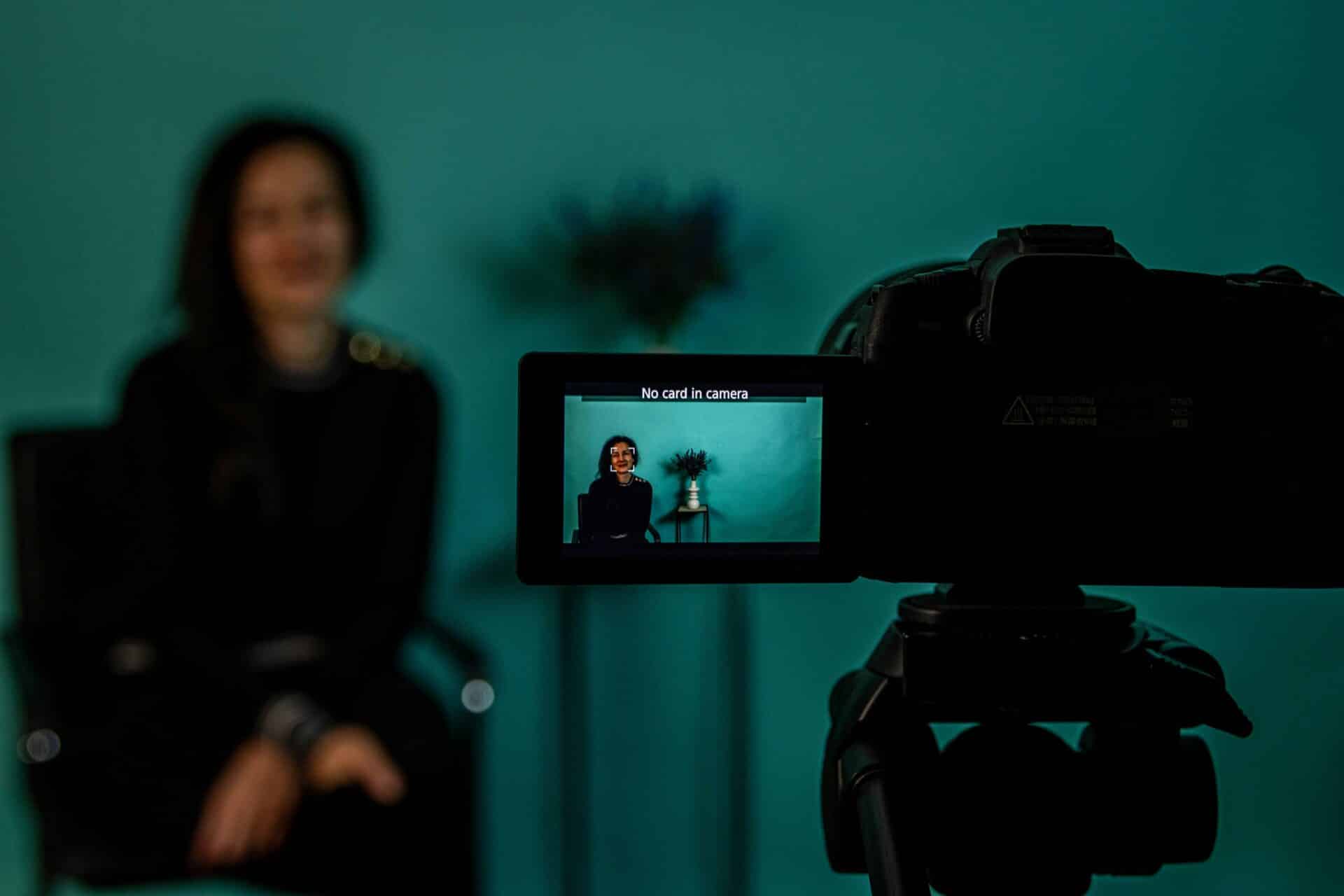
The patient groups identified people diagnosed with the condition, willing to be filmed talking about the memories of relatives with the symptoms. Where that relative was still alive, we invited them to be filmed too.
These films were hosted on microsite, with pages for people interested in a diagnosis, and healthcare professionals and downloadable assets for social sharing. Traffic was driven to the site through a combination of SEO strategy, paid search, paid media and organic social via the patient groups’ channels. Two patient groups decided to hold Facebook Live events with a local KOL. Local centres of excellence agreed to monitor new patient numbers for 12 months.
The results
In the six months to date, following the campaign, the centres of excellence reported on average a 2% increase in new patients. This represents approximately 2,500 newly diagnosed patients into the healthcare system across three markets. Outputs and outtakes showed:
Collectively, results for the digital aspects of the campaign exceeded expectations by 188% (cost per click and conversion rates)
>10,000 unique visitors to microsite
173 people attended Facebook Live events to learn more about the diagnosis
Campaign assets shared by community >350 times over 2-month period
Online mentions of the condition and need for diagnosis increased during lifetime of campaign
43% of HCPs who accessed the HCP landing page clicked through to find out more about the benefits of diagnosis for the condition
Patient groups in each market reported between a 15% – 60% increase in traffic to their websites during the lifetime of the campaign
What this shows
Designing solutions with patients, rather than getting it rubberstamped by them is key. Whereas our client had all the data on potential patient numbers, dangers of going undiagnosed and how to access diagnoses, we did not have the personal stories. Infusing our healthcare digital marketing solutions with the stories that are so common through communications, we connected and ultimately got people into the healthcare system.
Looking at market expansion? Let us find you the patients.