The Public are a Critical Success Factor in the Delivery of the Ambitious UK Life Sciences Strategy
Growth, ambition, action and trust.
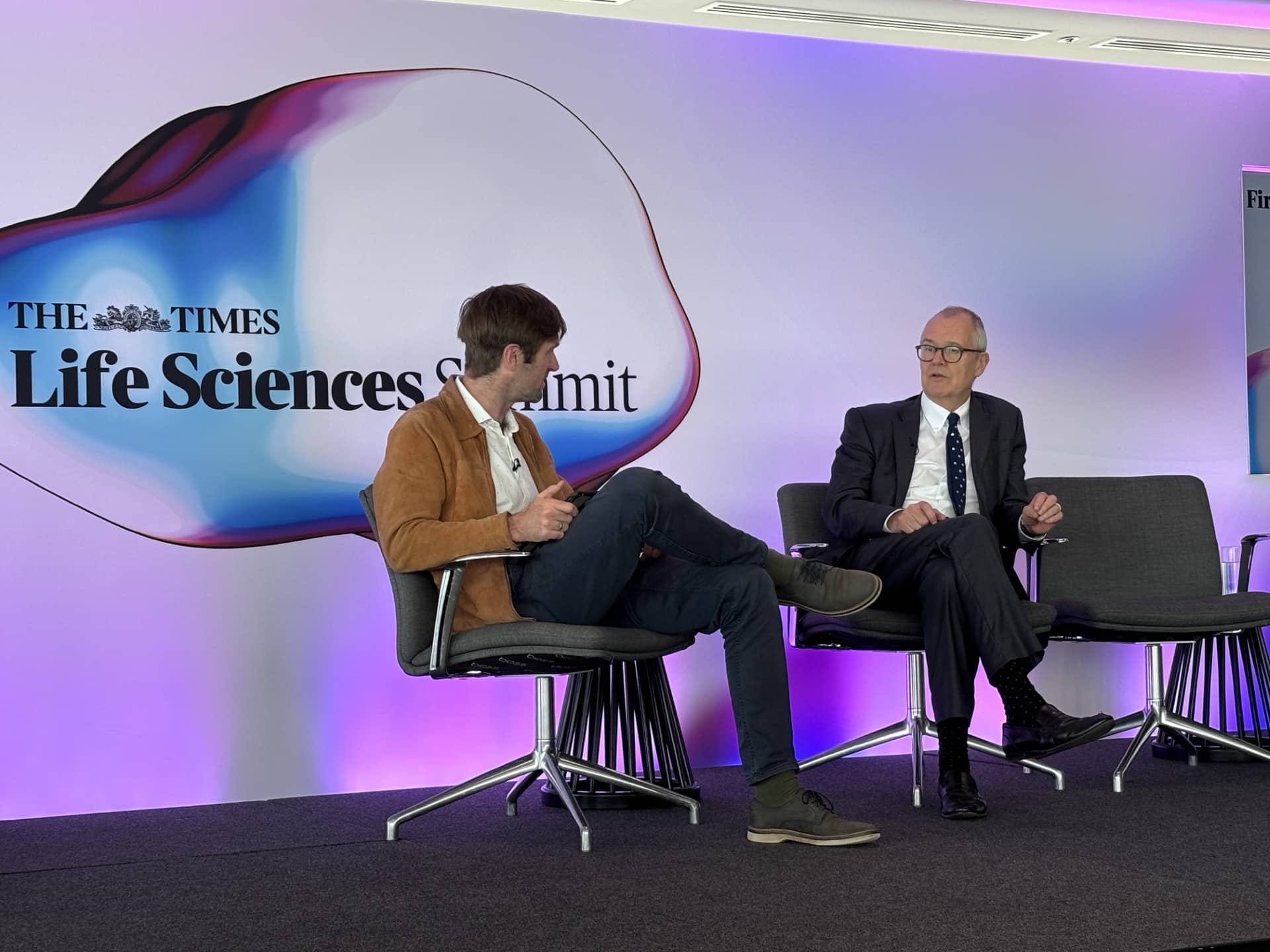
These were the themes from The Times Life Sciences Summit on 20th May 2026. The excellent panel of speakers were drawn from government, academia, start-ups and industry. They were there to discuss the UK Life Sciences strategy, the role of the NHS in increasing research and driving innovation, and what can be done to improve the rates of commercialisation and adoption of new medicines in the UK.
Growth and ambition
Growth and ambition were themes that ran through all panel sessions. UK Life Sciences’ ambitious goal of establishing the UK as the leading life sciences economy in Europe by 2030, and the third globally by 2035, is the north star of all efforts.
We heard about the ambitious plans in data connectivity and research. The progress made in efforts to reduce clinical trial approvals time to grow the UK a centre for research, and the benefits that this will bring to NHS morale, as well as patient outcomes. Sessions covered the ambition of UK-based start-ups, and the support they need to scale up and contribute to the UK Life Sciences goal.
Action
There was a sense of energy, determination and that ‘this time it’s different’. The reason for this optimism was based on evidence of action. The establishment of the Health Data Research Service, regulatory body the MHRA now being recognised as innovative, and the success of life science hubs in London, Cambridge and Teeside.
However, when it comes to making the UK a more attractive place for industry investment and adoption of new medicines, action is lacking. Panellists made the point, ‘long-term strategies are vital so that we know where we’re going, but action will make sure we get there.’ It was clear from the industry representatives on the panel that action is lacking. The increased NICE cost per QALY threshold has been an important step forward, but as Lord Patrick Vallance clearly noted, ‘NICE recommended therapies need to be used across the NHS, and this isn’t happening.’ Transparency on what happens after a NICE recommendation is critical so that this can be tackled.
Trust
Panellists referenced the role that trust plays in making progress. Whether it is people signing up to the UK Bio Bank or Our Future Health, or participating in clinical trials, people need to trust organisations with their data.
I’d go a step further and remark that a critical success factor for the UK Life Sciences strategy is the participation of the public. They are a vital stakeholder in the collaboration needed for success.
We have a responsibility to communicate more effectively with the public about research and innovation in the UK. Making it easier for patients to find out about relevant clinical trials, for example. Making this innovation accessible and part of our communities is another measure. The Wellcome Genome Campus in Cambridge has plans to remove gates and barriers and invite the public in to use the cafés and restaurants on site.
People need to understand the benefits of the 2030 goal to them, their families and communities. We need effective communications strategies to help people understand that if we increase our spend on health, we attract investment and people have access to innovative therapies and they feel better. We deliver better health outcomes. We get people back into the workforce, the economy grows as a result.
Ambitious growth strategies are essential, so we know where we’re going. But action and trust will get us there.